The integration of digital twins and collaboration platforms between manufacturers and technology suppliers is accelerating the development of next-generation aircraft and systems, optimising processes and strengthening the competitiveness of the ASD sector.
Cross-cutting digitalisation: a new engineering paradigm
Digital collaboration between manufacturers and suppliers is no longer an optional advantage—it is a strategic requirement. Advanced digital engineering platforms enable different teams to work on the same virtual aircraft model, sharing information in real time and coordinating design, testing, and validation from any location.
This cross-functional approach breaks traditional silos, enabling innovation and reducing risks associated with integration errors. For example, Airbus has expanded its partnership with Dassault Systèmes to apply virtual twins in its next-generation programmes, integrating design, production, and after-sales services seamlessly.
Competitive advantages of collaborative digital engineering
Adopting collaboration platforms based on digital twins delivers tangible benefits:
- Reduced development time: Virtual testing helps anticipate issues and adjust designs without the need for early physical prototypes
- Improved quality: All changes are digitally tracked and validated, ensuring consistency and compliance with standards
- Greater flexibility: Modifications can be implemented quickly, enabling adaptation to new requirements or regulatory changes
These advantages not only optimise internal processes but also strengthen the competitiveness of manufacturers and suppliers in an increasingly demanding global market.
Impact on defence, space, and commercial aviation
The application of virtual twins extends beyond commercial aviation. In defence, they enable the simulation of critical systems and complex scenarios before physical deployment. In space, they support the validation of satellites and spacecraft under extreme conditions without high-risk testing.
The combination of digital collaboration and advanced simulation is redefining how ASD systems are conceived, developed, and operated, paving the way for more efficient, safer, and more sustainable projects.
A collective transformation of the ASD sector
Digital transformation in the ASD sector is a collective challenge that requires cooperation, innovation, and strategic vision. Virtual twins and collaborative platforms do not only accelerate engineering—they redefine how we design the next generation of aircraft and critical systems.
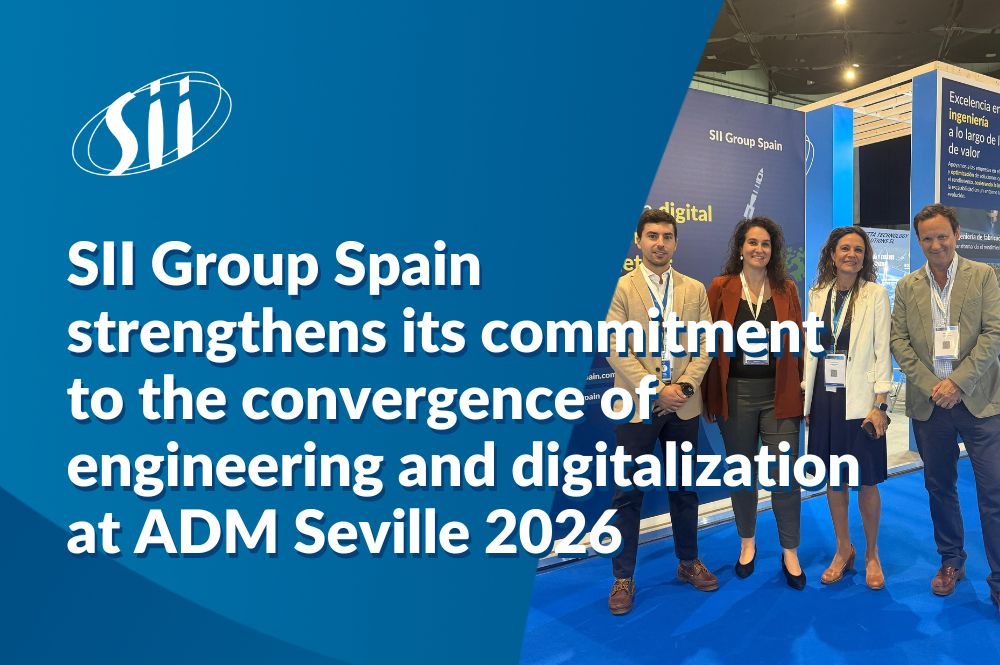
At SII Group Spain, we support this evolution by contributing expertise in advanced engineering and digitalisation across the entire lifecycle of complex projects.
Last news